






Palmers Green garden rubbish pickup and clearance prices
Posted on 30/06/2026
Palmers Green garden rubbish pickup and clearance prices: a practical guide to costs, options and what to expect
If you are looking at Palmers Green garden rubbish pickup and clearance prices, chances are the garden has got ahead of you a bit. Maybe it is after a big tidy-up, maybe you have just cut back hedges that seem to have doubled in size overnight, or maybe the pile has been sitting there for weeks because, well, life happens. Either way, the main question is usually simple: what should it cost, what do you actually get for the money, and how do you avoid paying too much for a job that ought to be straightforward?
This guide breaks it down in plain English. We will look at how garden waste collection is usually priced, what affects the quote, when a one-off pickup makes sense, and how to compare options without getting tangled in jargon. There is also a practical checklist, a comparison table, and a few common mistakes that are easy to miss on a wet Tuesday morning when the bins are full and the trimmings are everywhere.
For readers who want to understand the wider service landscape first, it can help to start with the company's services overview and then narrow in on the specific garden waste removal offering.
Why Palmers Green garden rubbish pickup and clearance prices Matters
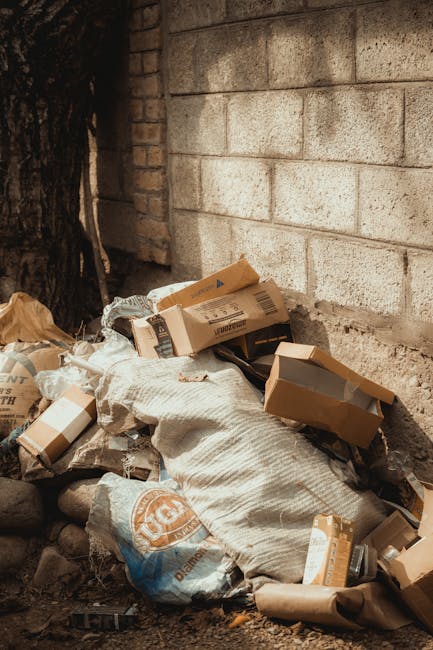
Garden clearance sounds simple until you are standing there with a heap of hedge cuttings, soil-filled bags, broken plant pots, and that one awkward branch that will not fit anywhere. In Palmers Green, where many gardens are compact, access can be tight, so the price is rarely just about how much waste you have. It is also about how easy it is to remove, carry, load, and dispose of it properly.
That matters for two reasons. First, clear pricing helps you compare services honestly. Second, good pricing helps you choose the right level of help for the job. You do not want to pay for a full-scale clearance when a small pickup would do. But you also do not want to underestimate a larger tidy-up and end up arranging a second visit because the first load was not enough. Been there, done that, regretted it.
Local relevance matters too. Palmers Green properties often have a mix of front gardens, rear access, shared paths, and narrow side returns. That can affect labour time and the size of vehicle needed. A quote that seems cheap on paper may not include the extra time needed to move waste from a back garden to the street. On the other hand, a slightly higher quote can represent better value if it includes loading, sweep-up, and responsible disposal.
Expert summary: The best price is not always the lowest price. For garden waste, the real value sits in clear collection terms, sensible access assumptions, and proper disposal rather than a headline number that changes later.
If you want a broader view of how the business handles pricing and what to ask before booking, take a look at the dedicated pricing and quotes information.
How Palmers Green garden rubbish pickup and clearance prices Works
Most garden rubbish pickup services are priced around a few basic factors. The simplest way to think about it is this: the more waste, the more labour, the more space in the vehicle, the more it tends to cost. But there is a little more to it than that.
What is usually included
- Loading garden waste from the property
- Transporting it to an authorised disposal or recycling route
- Basic sweep-up of the cleared area
- Labour for lifting and carrying
- Vehicle and fuel costs
Some jobs are almost entirely about volume. Others are about awkwardness. A few bags of wet soil are much heavier than they look. A pile of thorny clippings can slow the team down. A stack of timber, old fencing, and green waste may need separating. That is normal, and it explains why two jobs that look similar from the gate can end up priced differently.
Typical pricing factors
- Volume: how much waste there is, often judged visually or by bag/van load
- Weight: soil, turf, branches, and mixed garden debris can be heavier than expected
- Access: narrow paths, stepped gardens, rear-only access, or parking distance
- Type of waste: green waste, fencing, soil, old planters, and mixed rubbish may be handled differently
- Urgency: same-day or short-notice work can cost more
- Labour time: more sorting, dismantling, or carrying means more time on site
To be fair, the pricing model is usually meant to be practical rather than fancy. A trustworthy provider will ask sensible questions before quoting. They may ask for photos, estimate the load size, or clarify whether the waste is mostly cuttings or includes heavier material like logs, turf, and broken slabs. That is not being awkward. It is how they avoid overcharging or underquoting.
For broader garden work across the borough, the page on a trusted local rubbish removal team in Enfield Town offers useful context about how local collections are typically handled.
Key Benefits and Practical Advantages
There is a very practical reason people book garden rubbish collection instead of trying to shift everything themselves: it saves time, muscle, and an irritating number of trips to the tip. Let's face it, one car boot load is manageable. Three or four? That is a Saturday gone.
Main advantages
- Fast clearance: useful after pruning, landscaping, or storm damage
- Less mess at home: waste is removed in one go rather than sitting in piles
- Safer lifting: no need to wrestle with heavy bags, branches, or damp turf
- Flexible service: ideal for one-off jobs and irregular garden maintenance
- Better presentation: handy if you are preparing to sell, rent, or host people
There is also a quiet mental benefit. An overgrown garden can make the whole place feel unfinished. Once the rubbish is gone, everything looks calmer, even before the planting is sorted. You notice the light better, the space feels more usable, and suddenly the garden stops nagging at you from the back window.
If you are looking at the topic from the angle of property upkeep or future occupancy, the local reading on the Enfield property market can help explain why clean external space often matters more than people think.
Who This Is For and When It Makes Sense
Garden rubbish pickup is not just for large houses or major landscaping projects. In Palmers Green, a surprising number of jobs are small to medium-sized and fairly ordinary. That is actually the point. You do not need a dramatic clear-out to make the service worthwhile.
Common situations where it makes sense
- Seasonal pruning after spring or autumn garden work
- Clearing hedge cuttings after a weekend tidy-up
- Removing old compost, plant pots, and broken garden items
- Preparing a property for tenants, buyers, or visitors
- Dealing with a build-up of waste after landscaping
- Getting rid of soil, turf, branches, or dismantled fencing
It also makes sense when access to council-style disposal is inconvenient. If you do not have the time, vehicle, or physical capacity to handle the waste yourself, a pickup service can be a more sensible route. The value is especially clear when the waste is bulky, muddy, or just plain inconvenient. Garden waste has a habit of looking smaller from a distance than it does once you start bagging it. Funny how that works.
For residents who are new to the area or simply want to understand the local context a bit better, a local guide to life in Enfield and an overview of Enfield's character and green spaces offer a broader picture of the neighbourhood.
Step-by-Step Guidance
If you want to keep costs sensible and avoid surprises, a simple process helps a lot. You do not need a spreadsheet. Just a bit of structure.
- Sort the waste into broad groups. Separate green waste, heavy waste, timber, and anything unusual like bags of soil or broken slabs.
- Take clear photos. A few wide-angle images from different corners of the garden usually help more than a long explanation.
- Check access carefully. Note side passages, steps, locked gates, parking restrictions, or long carrying distances.
- Ask what is included. Confirm loading, labour, disposal, and sweep-up so you know the quote is comparable.
- Confirm timing. If you need the waste gone quickly, ask whether same-day or next-day collection is available.
- Prepare the area. Move out anything you want to keep, and if possible, group the waste into one or two accessible spots.
- Ask about recycling. Good operators should be able to explain how they separate and route garden waste where possible.
One small but useful trick: if the waste includes soil or turf, mention that early. It can alter the estimate quite a bit. A bag full of hedge trimmings and a bag full of damp earth are not the same thing, even if both look "garden-y" at first glance.
If you need broader clearance support beyond the garden, the company's general rubbish removal service in Enfield may be worth comparing against a dedicated garden pickup.
Expert Tips for Better Results
In practice, the best jobs are the ones where the customer gives a few clear details up front. That does not mean you need to know every technical term. Just provide enough information for a realistic price.
What helps the quote stay accurate
- Send photos in daylight if possible
- Include a rough estimate of how many bags or piles you have
- Mention any heavy material like soil, branches, or old sleepers
- Tell the team if access is awkward or parking is limited
- Say whether the waste is already bagged or still loose
Another good habit is to ask whether the team can separate green waste from mixed rubbish. The answer may affect what happens next, and it can sometimes help keep the price more efficient. If all the material is mixed together, sorting and handling may take longer. That is normal, but it is worth knowing in advance.
Be cautious about any quote that sounds oddly vague. A proper estimate does not need to be long-winded, but it should tell you what the pricing is based on. If the price seems too low to be true, check whether it excludes loading, access, or disposal. That little gap is where costs can creep in, usually at the worst moment.
For customers who care about how waste is managed after collection, the recycling and sustainability approach is a useful page to review. It gives you a better sense of how garden material can be handled responsibly.

Common Mistakes to Avoid
Most pricing headaches come from a few very ordinary mistakes. Nothing dramatic. Just the kind of thing that happens when you are trying to get a job sorted quickly and do not want to overthink it. Fair enough, but a little caution helps.
Frequent errors
- Underestimating the load: waste grows fast once you start cutting back
- Forgetting heavy items: soil and turf are easy to overlook
- Not mentioning access issues: narrow side paths change the workload
- Comparing quotes that include different things: a cheaper headline price may not be equivalent
- Waiting too long: after a storm or garden project, availability may tighten
Another mistake is assuming every "garden waste" job is the same. It is not. A neat pile of hedge trimmings is one thing. A mixed heap of pruning, timber, brambles, old fence panels, and wet soil is another. If you treat them as identical, your comparison will be off and so will the price expectation.
And yes, it is easy to let the job sit in the corner of the garden for another week. Then another. Suddenly the pile becomes part of the scenery. We have all seen it happen.
Tools, Resources and Recommendations
You do not need specialist equipment to prepare for garden rubbish pickup, but a few simple tools can make the process smoother and keep costs sensible.
Helpful things to have ready
- Heavy-duty garden waste bags
- Tarpaulin or sheets for collecting loose clippings
- Gloves and secateurs for safe gathering
- A broom or brush for a basic tidy-up afterwards
- Phone photos of the waste and access points
If you are planning a bigger clear-out, it can help to think ahead about what else is being removed. A garden job often overlaps with shed contents, old furniture, or leftover building material. In those situations, a broader waste clearance service may suit you better than a strictly garden-only collection.
It is also worth checking whether the service provider explains payment clearly and handles bookings securely. The page on payment and security is a sensible place to look if you want reassurance before confirming a booking. If you like to know who is doing the work and how the company operates, the about us page can also be useful.
Law, Compliance, Standards, or Best Practice
For garden rubbish, the key principle is straightforward: waste should be handled and disposed of responsibly. In UK practice, that means using a provider that can manage waste lawfully, sort material sensibly where possible, and avoid fly-tipping or careless disposal. You do not need to become an expert in waste law to make a decent choice, but it helps to know what good practice looks like.
Best practice usually includes:
- clear identification of the service being provided
- transparent pricing before work begins
- responsible transport and disposal of collected waste
- basic safety during loading and removal
- honest communication about what is and is not included
If a company is vague about disposal or seems uninterested in how waste is processed, that is a warning sign. The same applies if they are reluctant to explain their insurance or safety arrangements. A professional service should be comfortable discussing both. For extra reassurance, there is useful information on the site's insurance and safety page, which is exactly the kind of detail people often forget to ask about until too late.
Also, if you are dealing with mixed waste from a renovation or garden project, be careful not to assume garden waste is automatically treated the same as builder's debris. Where the load includes paving, brick, soil, timber, or dismantled structures, a separate look at builders waste disposal in Enfield may be more appropriate.
Options, Methods, or Comparison Table
There are usually a few ways to deal with garden rubbish. The right one depends on volume, urgency, and how much effort you want to spend yourself.
| Option | Best for | Pros | Trade-offs |
|---|---|---|---|
| One-off garden pickup | Small to medium clearances | Quick, convenient, minimal effort | Cost depends on load size and access |
| Full garden clearance | Overgrown gardens or post-project tidy-ups | More comprehensive, good for major jobs | Usually higher price than a simple pickup |
| Self-haul | Very small amounts | Can be cheaper if you already have transport | Time-consuming, lifting and disposal burden on you |
| Combined rubbish clearance | Garden waste mixed with household items | Handles multiple waste types in one visit | May require a broader quote |
For most Palmers Green households, a one-off collection is the sweet spot when the garden has been neglected for a bit or when the work has created a single, messy pile. If the garden is large or you are clearing multiple areas, a full clearance often becomes more efficient than several smaller pickups. It is the old story: one tidy job now can be cheaper than three half-finished jobs later.
Case Study or Real-World Example
Here is a realistic example. A homeowner in Palmers Green spends a weekend cutting back a hedge, pruning a small tree, and pulling up an old bed of plants that has seen better days. By Sunday evening, there is a mix of branches, clippings, a few bags of soil, and some broken terracotta pots stacked near the rear gate.
At first glance it seems like a modest job. But once you factor in the narrow side access, the heavier soil bags, and the time needed to carry waste from the back garden to the front collection point, the job becomes more than a quick toss-and-go. A proper quote would likely reflect:
- the mixed nature of the waste
- the weight of soil and pots
- the carrying distance from garden to vehicle
- the amount of loading time needed
If the owner had only described it as "a few bags of garden waste," the quote might have looked lower at first but would have been less reliable. The better approach is to describe the whole picture. That way the price feels fair, not fuzzy.
That same logic applies when people compare services for events or property prep. For example, if the garden needs clearing before a gathering, the local write-up on party-friendly locations in Enfield shows how outdoor presentation can matter more than people expect. Sometimes the garden is the first thing anyone sees.
Practical Checklist
Use this simple checklist before booking Palmers Green garden rubbish pickup and clearance prices:
- List all waste types, including green waste, soil, timber, and mixed rubbish
- Take clear photos from a few angles
- Note access limits, parking issues, and gate restrictions
- Ask what the price includes
- Confirm whether loading and sweep-up are part of the service
- Check whether same-day or next-day timing is available
- Ask how heavy waste is handled
- Confirm whether the load will be recycled where possible
- Read the terms and conditions before booking
- Make sure anything you want to keep is moved out of the way
If you want to understand the booking terms in more detail, the terms and conditions page is worth a quick read. It is not thrilling reading, admittedly, but it does help.
Conclusion
Palmers Green garden rubbish pickup and clearance prices are usually easiest to understand when you focus on the practical factors: volume, weight, access, and what is actually included in the quote. Once those pieces are clear, the decision gets much simpler. You can compare like with like, avoid awkward surprises, and choose the level of help that matches the job rather than guessing your way through it.
The best outcome is not just a cheaper bill. It is a garden that feels manageable again, a booking that went smoothly, and no lingering pile of clippings turning brown in the corner. That bit of order can make a bigger difference than people expect.
Get a free quote today and see how much you can save.
If you are ready to take the next step, use the service information already covered here, send a few photos, and ask the questions that matter. A little clarity upfront tends to save time, money, and a fair bit of faff later on.


 Tipper Van - Commercial Waste Disposal and Rubbish Removal Prices in Enfield, EN1
 Luton Van - Commercial Waste Disposal and Rubbish Removal Prices in Enfield, EN1