






Ponders End bulky waste removal specialist for flats
Posted on 13/07/2026
If you live in a flat, you already know the awkward part isn't always the clutter itself. It's getting a sofa down the stairs, finding space for a fridge in the hallway, or figuring out what to do with a mattress when the lift is out again. That is exactly where a Ponders End bulky waste removal specialist for flats becomes useful. The right team does more than just "take stuff away"; they help you move heavy, awkward, and often embarrassing items without turning your block into a scene from a moving-day nightmare.
This guide breaks down how flat-based bulky waste removal works in Ponders End, why it matters, what to expect, and how to choose a service that is genuinely suited to apartment living. You'll also find practical tips, a checklist, and a clear comparison of the most common options. If you want the simple version: the smoother the planning, the less stress on the day. And yes, that matters more than people think.
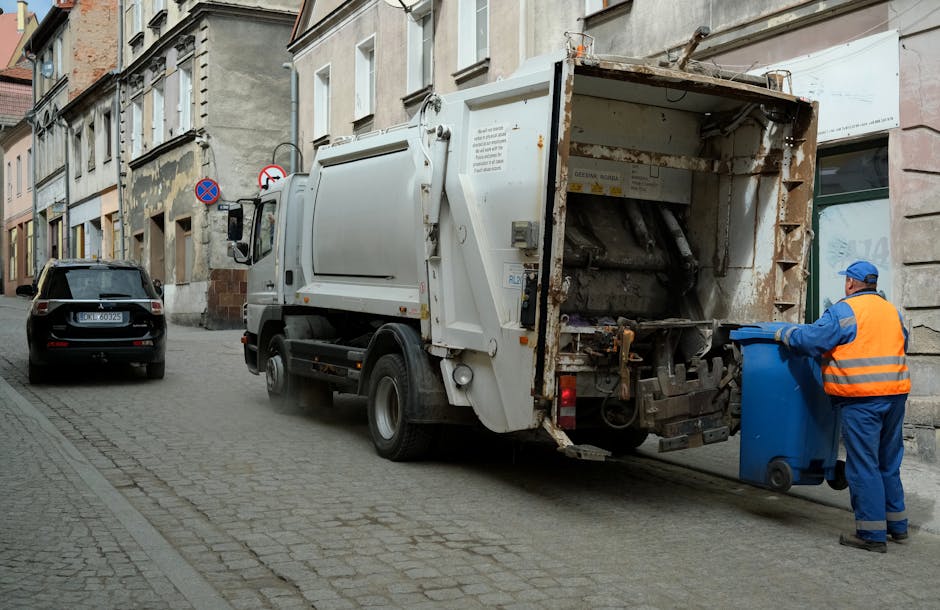
Why Ponders End bulky waste removal specialist for flats Matters
Bulky waste in flats is a different problem from bulky waste in houses. In a house, you often have a drive, side access, or at least a bit of breathing room. In a flat, you might have narrow communal hallways, shared entrances, lift restrictions, parking limits, and neighbours who really do not want a worn-out wardrobe blocking the fire route at 8 a.m.
That's why a specialist matters. Not every rubbish collection service is set up for apartment blocks. A proper flat-focused bulky waste removal team understands access issues, building rules, and the need to keep common areas clean and safe. They also tend to work faster because they know the usual pinch points: awkward corners, tight stairwells, limited loading space, and how to avoid causing damage to walls, floors, or doorframes.
Ponders End has its own mix of purpose-built flats, converted buildings, and modern apartment developments, so the right approach depends on the building rather than just the postcode. To be fair, that's where people often get caught out. They book a generic clearance and then discover the sofa cannot be carried out the way they imagined. Bit of a faff.
If you're planning a larger clearance, it can also help to understand the wider service picture. The site's services overview is a useful starting point, and the main rubbish removal in Enfield page gives a broader sense of what can usually be handled.
How Ponders End bulky waste removal specialist for flats Works
The process should feel straightforward, even if the items are not. Most flat-based bulky waste removals follow a simple flow:
- Assessment - You describe what needs removing, roughly how much there is, and whether it's on a top floor, in a basement, or somewhere with awkward access.
- Access check - The team considers stairs, lifts, parking, and any building rules that could affect the collection.
- Collection planning - A suitable time is arranged so the lift, shared corridor, or entrance is not blocked longer than necessary.
- Removal - The team moves the items carefully, loads them, and tidies the area afterwards.
- Sorting and disposal - Depending on the materials, items are separated for reuse, recycling, or responsible disposal.
For flats, the hidden value is in the planning. A good specialist will ask sensible questions before arriving. Are there stairs? Is the lift small? Is there a loading bay? Can a van stop nearby? Is the item in one piece, or already dismantled? These details save time and, frankly, avoid a lot of pointless stress.
If the job is urgent, same-day collection can sometimes be the right answer, especially if you're juggling a move-out deadline or a landlord inspection. For quicker turnaround jobs, the article on same-day rubbish removal in EN1 and EN2 is a helpful read.
There is also a difference between bulky waste and a full property clearance. A mattress, a few chairs, and a broken TV are one thing. Clearing an entire one-bedroom flat after a tenant move is another. In those cases, a broader house clearance service or even a more general waste clearance service may be more suitable, depending on the contents.
Key Benefits and Practical Advantages
The benefits are not just about convenience, although that's a big one. A specialist service for flats can make the whole process safer, tidier, and less disruptive.
- Less disruption to neighbours - Good timing and careful movement keep communal areas clear.
- Reduced risk of damage - Heavy items are handled more safely through tight spaces.
- Better use of time - You avoid multiple trips to the tip or the endless "I'll sort it next weekend" cycle.
- More suitable for awkward items - Sofas, wardrobes, bed frames, white goods, exercise equipment, and similar items are exactly the kind of problem bulky waste specialists handle well.
- Cleaner disposal route - A reputable team will sort items for recycling where possible, which is better than dumping them into a black bag mindset and hoping for the best.
There's also a mental load benefit, which people underestimate. One oversized item in a studio flat can make the whole room feel smaller, messier, and more stressful. You notice it every time you walk past. Remove it and the place suddenly breathes again. Simple, but powerful.
If sustainability matters to you, it's worth looking at the company's recycling and sustainability approach so you know how reusable items and recyclable materials are handled.
Expert summary: For flats, the best bulky waste removal is not the fastest on paper, but the one that is planned around access, safety, and shared spaces. That is what keeps the job smooth and avoids complaints, damage, or delays.
Who This Is For and When It Makes Sense
This type of service is useful for a surprisingly wide range of people. In practice, it often suits:
- tenants leaving a flat and needing old furniture removed
- landlords between tenancies
- letting agents arranging end-of-tenancy clearances
- flat owners replacing large items
- students moving out with bulky leftovers
- people handling a downsizing or estate clearance in an apartment
- residents who have picked up a second-hand item and need the old one gone first
Sometimes the trigger is obvious: the new sofa has arrived and the old one has to go. Other times it's a bit more gradual. A broken desk starts gathering papers, then a spare chair joins it, then a defunct printer, and suddenly the storage cupboard looks like a waiting room for regret.
If you're deciding whether you need a specialist or a broader clearance team, think about volume and access. A single bulky item usually points to a targeted collection. Several rooms of mixed contents may be better handled through office clearance in Enfield for workspaces or a more general clearance service for homes.
For local context, it can also help to understand the area itself. The piece a local's guide to life in Enfield gives a useful sense of the neighbourhood, while exploring the beauty of Enfield offers more local colour. Not essential, of course, but it can be reassuring to know you're dealing with a team that works in the area regularly.
Step-by-Step Guidance
If you want the cleanest result with the least drama, follow a proper process. It doesn't need to be complicated.
- List the items clearly
Write down what needs removing. Include sizes if you know them. A "large corner sofa" is more helpful than "big couch thing". - Check the access route
Look at the stairwell, lift size, doorway width, and the route from your flat to the street. If there's a tight turn at the landing, mention it early. - Ask about building rules
Some flats have restrictions on collection times, lift use, or parking. If you're not sure, contact the management company or concierge before booking. - Move smaller items first
Clear the path to the bulky item. Remove shoes, bins, baskets, and anything else that will get knocked over. Small effort, big difference. - Confirm what happens on arrival
Will the crew come to the door, or to a loading point? Where should they park? What happens if the lift is unavailable? - Keep fragile surfaces protected
Put away mirrors, lamps, and picture frames. It sounds obvious, yet in real life people forget the corner shelf and then wonder why they're nervous. - Ask for disposal clarification
Good operators should be able to explain whether items will be reused, recycled, or disposed of responsibly.
One practical tip: take a quick photo of the items before collection. Not for show, just for clarity. It helps if you need to confirm what was quoted, and it can save a backwards-and-forwards phone call later.
If the job involves bulky waste after building work or DIY in a flat, you may also want to look at builders waste disposal in Enfield. That is a slightly different beast from household bulky waste, and mixing the two up can lead to a confusing booking.
Expert Tips for Better Results
After plenty of apartment clearances, a few patterns stand out.
First, measure before you commit. A measurement tape is dull, yes, but it's useful. Check the item, the lift, the stair width, and the tightest doorway. If the item has to be dismantled, know that before the collection day rather than while the crew is standing in your hallway.
Second, sort by priority, not emotion. Keep the stuff you need, move the stuff you might sell or donate, and separate the waste you know is going. That reduces the "wait, maybe I need this broken chair" moment. We've all had one.
Third, think about timing. Early morning collections can work well in flats because shared areas are quieter. But if your building has rush-hour congestion or difficult parking, late morning can be calmer. In other words, sometimes it's better to miss the first coffee and save yourself a headache.
Fourth, mention access problems upfront. That one is huge. If there's no lift, a narrow staircase, or a walk from the van to the entrance, say so clearly. A specialist can only plan properly if they know the real situation.
Fifth, ask how recycling is handled. Even with bulky waste, a decent operator should separate reusable and recyclable materials where practical. It's not just box-ticking; it's the responsible way to work.
And one more thing: if your flat is in a managed block, be mindful of the concierge or porter. A quick polite heads-up can make the whole thing smoother. A little courtesy goes a long way in communal buildings.

Common Mistakes to Avoid
Most bulky waste problems in flats are preventable. The common mistakes are usually very human, which is exactly why they happen.
- Underestimating item size - "It'll fit" is a famously dangerous phrase.
- Ignoring access restrictions - A lift outage or parking issue can change everything.
- Leaving booking details vague - "A few things" is not enough information.
- Blocking shared hallways - This can upset neighbours and create safety issues.
- Forgetting disposal questions - If you want recycling or reuse, say so in advance.
- Mixing bulky waste with specialist waste streams - Some items, especially electrical equipment or renovation debris, may need separate handling.
One of the easiest mistakes to make is treating flat clearance like a quick kerbside pickup. It usually isn't. Flats are layered, shared environments. That's the whole point. So the better the prep, the less likely things go sideways.
If you're trying to decide between a general team and a more focused one, reading about a trusted local rubbish removal team in Enfield Town can help you think through what local service quality should look like. The same standards matter in Ponders End too.
Tools, Resources and Recommendations
You do not need a warehouse of equipment to prepare for bulky waste removal. A few basic things make life easier:
- Measuring tape - for doorways, stair turns, lifts, and the item itself.
- Mobile phone camera - to photograph items and access points.
- Labels or notes - useful if some items stay and others go.
- Gloves - for light pre-sorting, especially if items are dusty or sharp-edged.
- Furniture blankets or old sheets - helpful for protecting floors or nearby items during prep.
In terms of service pages and planning resources, these can be useful depending on the job:
- pricing and quotes if you want to understand how jobs are usually assessed
- about us if you want to know more about the company behind the service
- insurance and safety for reassurance around careful handling
- payment and security if you prefer to know how payments are handled securely
For location-specific reading, some people also like to look at property and lifestyle context before arranging bigger clearances. The Enfield property pages, such as the Enfield property market and the Enfield property investment handbook, can be useful if you are managing a move, a rental changeover, or preparing a flat for sale.
Law, Compliance, Standards, or Best Practice
For bulky waste removal, the key word is responsibility. You do not need to become a legal expert, but you should know the basics.
In the UK, waste must be handled and disposed of responsibly. For a resident, that means choosing a provider that can explain what happens to your waste and does not offer a suspiciously casual "we'll just take it anywhere" approach. That sort of answer is a red flag, simple as that.
For flat buildings, best practice also includes:
- keeping communal fire routes clear
- avoiding damage to shared spaces
- booking at times that minimise disruption
- checking whether the management company has access rules
- separating electrical items, metals, and reusable goods where practical
If you are disposing of items after renovations, remember that building waste can be different from household bulky waste. Likewise, office items should be handled with the right type of clearance service, not just bundled into a domestic job. That's where matching the task to the right service matters more than people think.
You may also want to review the company's policies and ethical commitments. The pages on terms and conditions, privacy policy, cookie policy, and modern slavery statement are all relevant for trust and transparency. Not glamorous reading, admittedly, but useful.
Options, Methods, and Comparison Table
There are usually a few ways to deal with bulky waste from a flat. The best choice depends on size, access, time, and how much lifting you want to do yourself. Let's compare the common options.
| Option | Best for | Pros | Watch out for |
|---|---|---|---|
| Do-it-yourself council-style disposal | Small loads and people with a vehicle | Can be low-cost if you already have transport | Time-consuming, awkward for flats, and physically demanding |
| Private bulky waste collection | Single items or moderate loads in flats | Convenient, quicker, less lifting for you | Needs clear access details and accurate item descriptions |
| Full flat clearance | Large quantities or end-of-tenancy jobs | Best for multiple items and mixed contents | May be more than you need for a few bulky pieces |
| Specialist waste stream handling | Items like renovation debris or office equipment | More suitable for specific materials | Needs the right type of service from the start |
If your situation is closer to a household clear-out than a single-item pickup, a waste clearance service may give you more flexibility. If it's more focused and residential, you'll usually want the simplest route possible. No one needs to overcomplicate a broken wardrobe.
Case Study or Real-World Example
Here's a typical real-world scenario. A tenant in a Ponders End flat is moving out at the end of the month. The flat has a bulky bed frame, a mattress, a small desk, two chairs, and a TV unit that has seen better days. The hallway is narrow, the lift is small, and the building only allows loading in a limited window.
Without planning, that job can become messy quickly. With a specialist, it usually goes more like this: the items are listed in advance, the access route is checked, the team arrives within the agreed window, the hallway is kept clear, and the bulky pieces are removed without scraping the walls on the way out. The tenant gets the flat ready, the landlord gets a clean handover, and the building manager doesn't end up annoyed before lunch. Everyone wins, which is rare enough to appreciate.
What made the difference? Not magic. Just preparation. The awkward part was not the lifting; it was knowing the building and planning around it.
In a slightly different scenario, a flat owner replacing a broken sofa might only need a quick collection. In that case, the process is much lighter, but the same rules still apply: measure, check access, and keep the booking details honest. No drama, just a tidy job.
Practical Checklist
Use this before booking a bulky waste removal specialist for flats in Ponders End:
- List every item you want removed
- Measure the largest item and the tightest access point
- Check whether the lift can take the item
- Confirm parking or loading access
- Ask if any building rules affect collection times
- Separate items you want to keep, donate, or recycle
- Remove personal belongings from furniture and drawers
- Photograph items if you want a record before collection
- Ask how reusable and recyclable materials are handled
- Confirm what type of clearance is best: bulky item pickup, waste clearance, or something broader
Quick takeaway: If the access route is tight, the building is busy, or the item is awkwardly large, specialist planning matters more than speed. That's the whole game, really.
If you want a broader overview before making a decision, you can also review the wider services overview to see how different clearance needs fit together.
Get a free quote today and see how much you can save.
Conclusion
A bulky waste removal specialist for flats in Ponders End is about more than taking away old furniture. It is about handling a job that has access issues, shared spaces, and real-world timing pressures. When the service is planned properly, it saves time, reduces stress, and avoids the all-too-familiar flat-life headache of "where on earth do we put this until tomorrow?"
The best results come from clear communication, accurate measurements, and a team that understands apartment living. If you're dealing with a single bulky item or a small cluster of awkward pieces, the right specialist will make it feel simple. And if you're facing a bigger clearance, the same principles still apply: plan well, keep things safe, and choose a service that fits the building rather than fighting it.
To be fair, flat clearances will probably never be anyone's idea of fun. But they can be smooth, tidy, and surprisingly painless when handled properly. That's the goal.



 Tipper Van - Commercial Waste Disposal and Rubbish Removal Prices in Enfield, EN1
 Luton Van - Commercial Waste Disposal and Rubbish Removal Prices in Enfield, EN1